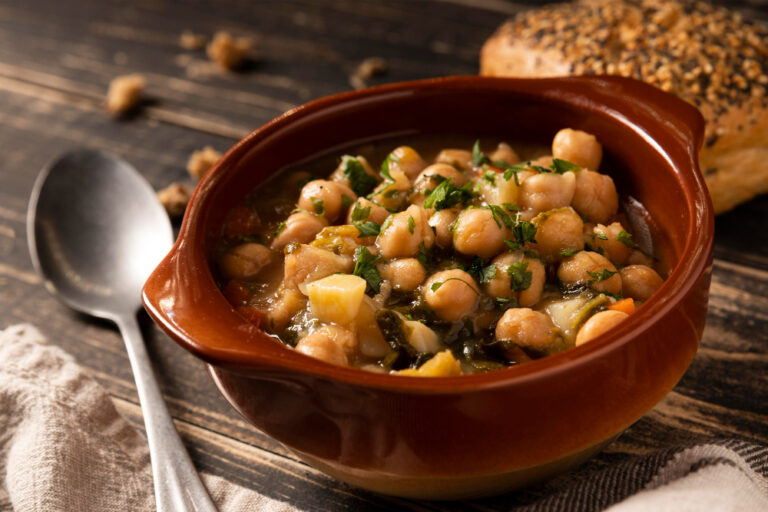



For a long time they were associated with traditional comforting stews, but organic pulses they have shown that they can go much further. Chickpeas, lentils, beans or peas are finding a new space in modern cooking thanks to their versatility, their flavour and the numerous possibilities they offer when it comes to creating different dishes.
And the interesting thing is that they haven't returned because they've become trendy. In reality, they never left. What has changed is our way of cooking them and of understanding everything they can bring to a dish.
Pulses are conquering kitchens once again
Pulses have been part of our diet for centuries and occupy an important place within the Mediterranean diet. However, for a time they were relegated to very specific recipes, generally hearty ones linked to the colder months.
Contemporary cuisine has broken with that idea.
Today we can find pulses in salads, purées, hummus, veggie burgers, side dishes, starters or dishes where they are combined with vegetables, spices and flavours from different culinary cultures.
Precisely that capacity to transform itself explains a good part of its comeback. The very same pulse can become the star of completely different recipes depending on how it is cooked and what ingredients it is accompanied by.
What sets organic pulses apart?
When we talk about organic pulses, we are referring to those originating from production systems subject to the requirements established for organic farming.
But in the kitchen there is another particularly important issue: the quality of the raw material.
When working with good ingredients, there is no need to hide them behind overly complex preparations. The intention is precisely the opposite: to ensure they keep their personality and to find combinations capable of enhancing it.
Therefore, choosing a good pulse and cooking it properly can completely change the result of a seemingly simple recipe.
The produce returns to the centre of the plate
Over recent years there has been an interesting shift in the way we approach gastronomy. We are paying more and more attention to issues such as origin of food, the season, the production processes or the utilisation of the ingredients.
Pulses fit particularly well with this way of understanding cooking.
They are simple, recognisable ingredients capable of being part of recipes in which the product truly takes centre stage. They do not need too many artifices to work: a good combination of vegetables, herbs, spices or olive oil can be enough to build a dish full of nuances.
A nutritious and very versatile ingredient
Another of the reasons that explains their growing presence is their interesting nutritional profile. Pulses provide plant-based proteins, fibre, carbohydrates and different vitamins and minerals.
But from a gastronomic point of view they have an even more obvious advantage: they allow you to play a huge amount in the kitchen.
Some of the possibilities they offer are:
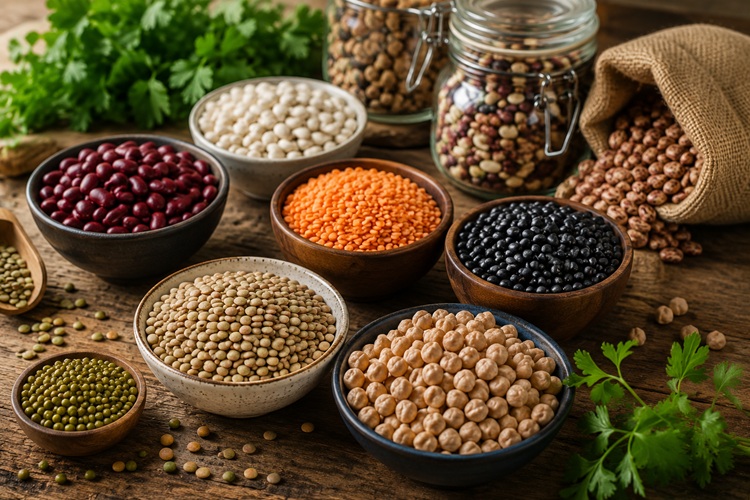
- Chickpeas in salads, hummus, soups or stews.
- Lentils combined with vegetables, spices or fresh ingredients.
- Beans as a base for warm dishes, salads or spoon recipes.
- Peas in soups, side dishes and seasonal creations.
- Mashed pulses for preparing vegetable pâtés, sauces or spreads.
This diversity makes it possible to adapt the same ingredient to the climate, the season and the type of cuisine we want to prepare.
From traditional dishes to the most contemporary recipes
Reviving pulses doesn't mean abandoning traditional recipes. A good stew still has its place at the table.
The difference is that now we also know how to look at them from other perspectives.
Mediterranean combinations
Tomato, olive oil, roasted vegetables, herbs or citrus fruits go particularly well with different varieties of pulses, allowing you to create fresh and flavourful dishes.
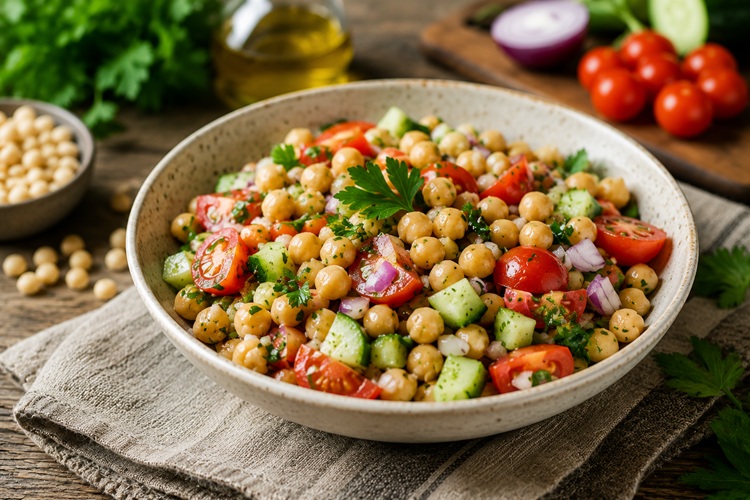
A chickpea salad, for instance, can turn out completely different depending on the vegetables, spices and dressings used.
Tastes from other cultures
Pulses also allow for a gastronomic journey.
Hummus is probably one of the best-known examples, but you only have to look at the cuisines of different countries to find chickpeas, lentils and beans accompanied by curry, cumin, ginger, coriander, sesame or various types of spice.
This ability to absorb aromas and blend with intense flavours makes pulses an excellent starting point for creative cooking.
They also make sense in a more mindful kitchen
The revival of pulses is also linked to a way of consuming that pays greater attention to the ingredients that make it to our tables.
The organic kitchen starts precisely from that focus on the product and its origin.
Including pulses also makes it possible to broaden the range of plant-based ingredients in our diet and create complete dishes without always having to resort to the same options.
It is not about turning them into a substitute for other foods, but about giving them back the space they have always deserved within a varied diet.
The secret is to stop thinking of them as a side dish
Perhaps the greatest change is precisely this.
Pulses no longer have to be hidden away in a dish or play a secondary role. Well cooked and combined, they can easily become the ingredient around which an entire recipe is built.
Its texture, its ability to absorb flavours and the huge variety of preparations it allows offer many possibilities for a cuisine looking to unite product, creativity and flavour.
Organic pulses: a modern-day classic
Sometimes the big food trends it's not about discovering new ingredients, but about taking a fresh look at the ones we've always had close to home.
The organic pulses They are a good example. They are versatile, allow you to create very different recipes and fit in perfectly with a kitchen that champions recognisable ingredients and preparations designed to respect their flavour.
A Astrid Organic Tapas Bar we understand cooking from that respect for the produce, committing to organic ingredients and combinations capable of bringing out the best in each one.
Fancy seeing how far everyday ingredients can go when cooked in a different way? Come to Tapería Orgánica Astrid, in Malaga, and discover our organic and seasonal cuisine proposal.