
In recent years, concepts such as «ecological, «organic» o «vegan» have gained enormous popularity in the world of healthy eating. However, it is not uncommon for these terms to be confused with one another, leading to common mistakes when choosing conscious and responsible products. Although they share the same principles, such as respect for the environment and healthcare, it is essential to understand how they differ.
Both ecological and organic products aim to offer a more natural diet with less environmental impact and free from synthetic chemicals. However, there are important differences and nuances that set them apart. Understanding what each one entails will not only help you maintain a healthier diet, but also support more sustainable and ethical production systems.
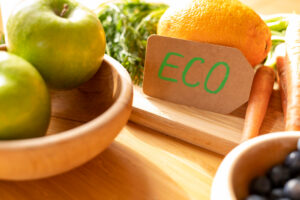
Healthy eating: Understanding the differences to consume more mindfully
Over the last decade, we have witnessed a unprecedented boom in the consumption of healthier and more sustainable products. The demand for food ecological, organic and, especially, vegans has experienced growth exponential, driven by a increasing awareness about personal health, respect for animals and urgent need to protect our environment.
However, despite this positive trend, many people still do not clearly distinguish what each concept means. This lack of knowledge can lead to confusion when buying or even to thinking that they are synonyms when, in reality, they have specific differences.Clarifying these terms is key to consuming consciously and in a way that is consistent with our values.
Do you know how to tell the difference between organic and ecological food?
Once you already know how important healthy eating is, we show you what each of these two options consists of. These definitions will help you to know what is an ecological and organic product:
Organic food
These are products that are grown respecting natural cycles, without the use of pesticides, synthetic fertilisers or genetically modified organisms (GMOs). They also involve agricultural practices that they protect the soil, water and biodiversity. In Spain and Europe, «organic» is the official term used to refer to this type of production.
Organic food
In essence, the concept is very similar. Calling a food «organic» also refers to cultivated products free from artificial chemicals and genetic modification, and following environmentally friendly processes. Furthermore, they are characterised by having higher levels of antioxidants and omega-3 fatty acids, so they are recommended for health, as they strengthen the immune system and help prevent cardiovascular diseases and cancer.
Main differences between organic and ecological foods
Although both foods are very similar, there are nuances important ones worth knowing. Below, we show you some of the differences you should bear in mind in this classification:
- Standards and certifications. Organic foods are governed by strict European regulations (such as EC Regulation 834/2007). This means that it bears the Euro-leaf logo on the label. Meanwhile, an organic food is regulated by other standards, such as USDA Organic or equivalents, which may have slight differences in technical requirements.
- Processing type. An ecological product focuses on cultivation and respect for the environment. If it is organic, emphasis is also placed on all subsequent processing, such as packaging, storage, etc.
- Treatment of animals. Both guarantee that animals are reared without antibiotics or hormones, but in organic products, depending on the country, they can demand higher levels of animal welfare.
- Consumer perception. Sometimes, «organic» sounds more «trendy» in the global market, whereas «ecological» places more emphasis on the relationship between food and the protection of nature.
In short, the organic food they focus primarily on sustainability and environmental impact, whereas the organic food they stand out for the absence of synthetic chemicals.
Foods that meet ecological and organic standards
Returning to the roots of pure, natural eating, organic food connect us with the cycles of the earth and offer us the best of each harvest, without artifice. Here are some examples that usually meet both standards:
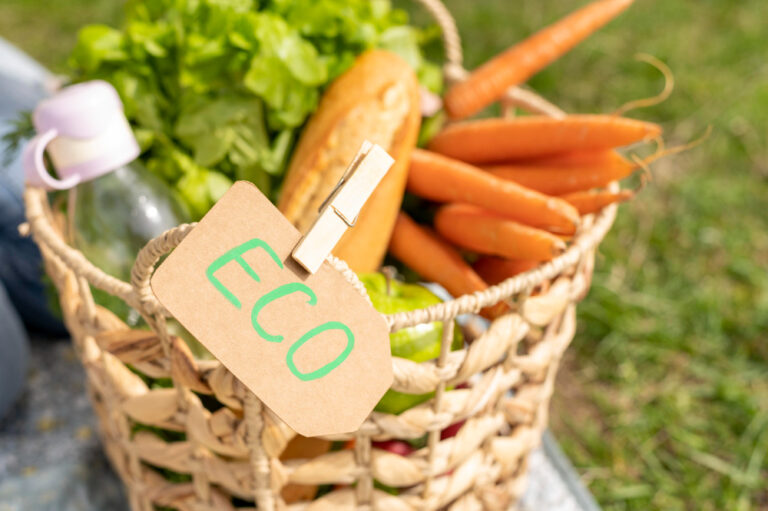
- – Vegetables from certified organic allotments (how carrots, spinach and tomatoes.
- – Fruit grown without synthetic pesticides (apples, pears, bananas).
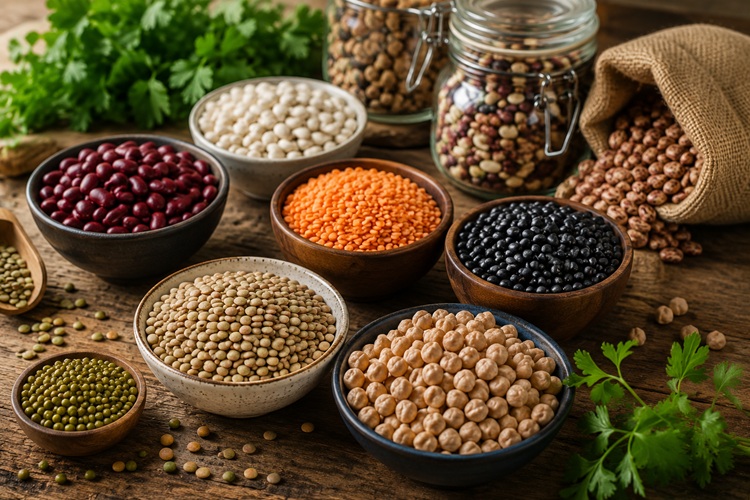
- – Pulses (lentils, chickpeas) of certified organic farming.
- – The virgin olive oil extra-ecological and organic.
- – Raw nuts from organic farming (almonds, walnuts).
- – Wholegrains such as oats, quinoa o brown rice with organic certification.
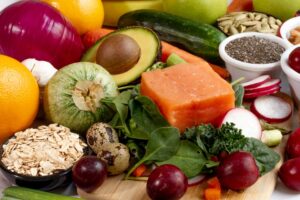
In short, both ecological and organic are very close terms, both are committed to clean and sustainable food, but the certifications and technical details vary slightly depending on the country and current regulations.
A Astrid Organic Tapas Bar, we work every day to bring you delicious dishes made with ecological, organic and 100% plant-based ingredients. If you are looking to enjoy authentic, healthy and mindful cuisine in Málaga, we invite you to visit us. Check out our menu and book your table. We look forward to welcoming you for a unique and socially conscious dining experience!