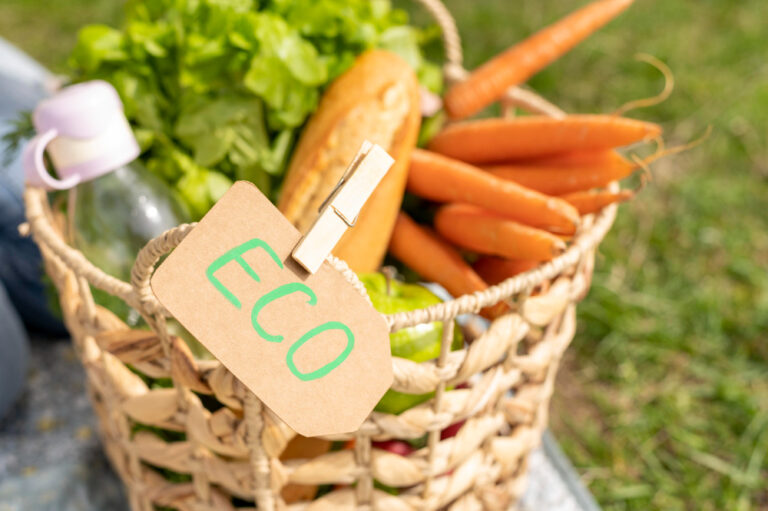



From recent years up to now, organic wine has been carving out a place for itself in the sector and gaining relevance and prominence. However, there are still many people who cannot tell the difference between an organic wine and a traditional one, like the ones we have always consumed.
The main difference between them is that, to obtain an organic wine, practices have been implemented different sustainable actions during its preparation and production stage. That is, from the harvesting of the grapes to obtaining the bottle of wine that we have on our table, ecological and environmentally friendly processes have been followed.

What is sought to be achieved with organic wines is, in turn, invest in organic farming and to demonstrate that the environments where wine is produced and made are also environmentally conscious, respecting it in every one of the production steps from a bottle of white or red wine.
To find out whether a wine is organic or traditional when making a purchase, it has been established as a standard that sustainable wines bear a label indicating this. In this way, the buyer will know if it is a wine committed to its surroundings and to the environment.
What differences are established in the production of an organic wine?
As we mentioned, for a wine to be considered sustainable, it must be produced in a way that respects the environment. This means there are a series of regulatory steps that must be applied, such as:
- must be used in the vineyards where the grapes for the wine will grow as natural a fertiliser as possible. Ideally, it should be a fertiliser produced from the biomass of the other crops.
- In the grape selection process, damaged grapes cannot be picked due to some environmental phenomenon.
- The vineyard plots where the grapes are grown they are not treated with pesticides or harsh chemicals for the fruit. As they might damage or alter the natural flavour. This way it is ensured that the products are natural and have not been modified by any external agent.
- The whole process carried out during the planting and harvesting of the grape It's manual. No machinery is used, not even for ploughing.
- During the wine clarification process, the carbon levels used They must be the absolute bare minimum
- The caps placed once the liquid is packaged must be made of natural cork or, failing that, made of recycled cork.
- In addition to stating that the wine is organic, it is advisable for the bottle labels to indicate the steps followed in the preparation process. It is also compulsory that they point out all the ingredients.

Therefore, if you want to enjoy an organic wine remember find the bottle certification that you go shopping at the supermarket before taking her home. And remember too that every time you consume organic food you are being responsible and respectful towards the environment.
A Astrid Tapería Orgánica you can enjoy some excellent organic wines. For any enquiries, get in Contact with us. We'll be delighted to help you!